
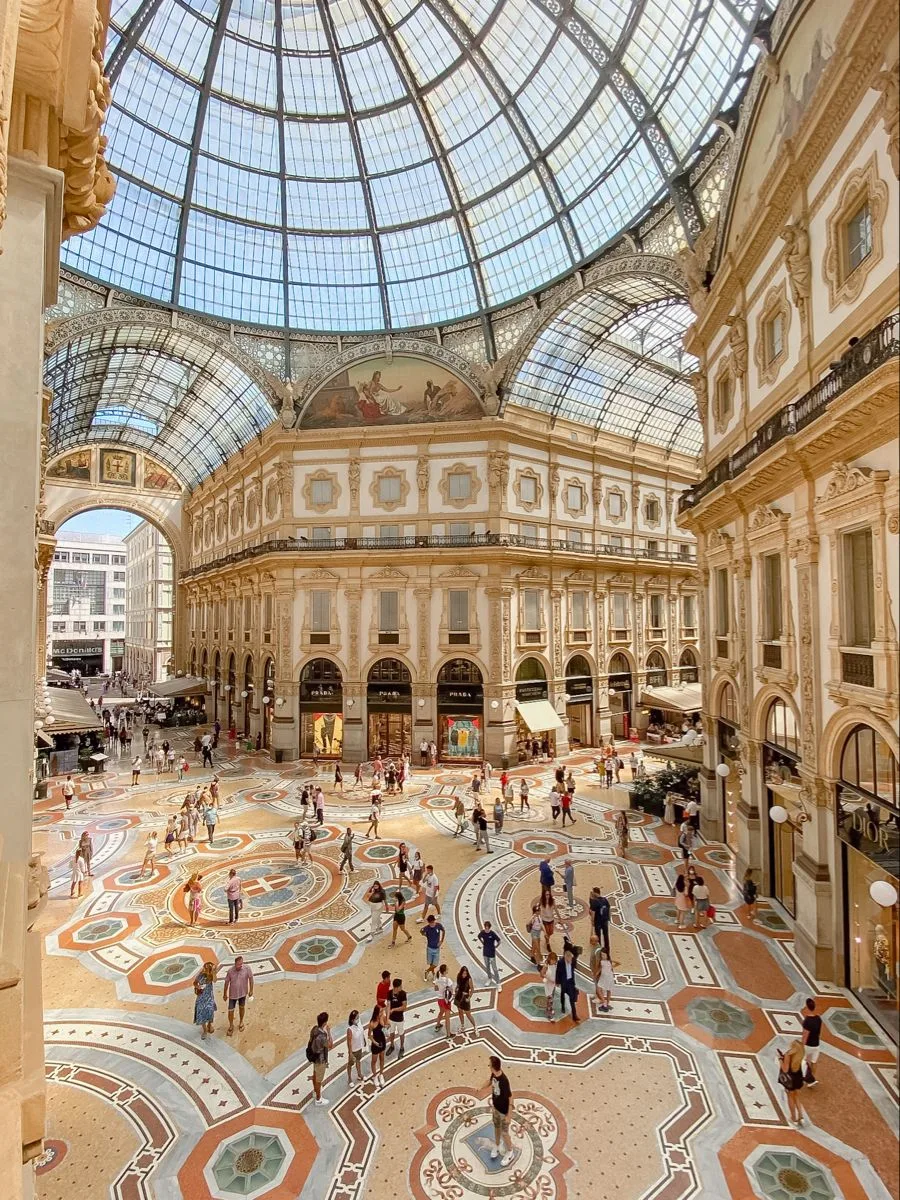
Milan is Italy’s financial, business, and innovation capital — a city where real estate decisions are often driven by strategy rather than emotion. For foreign buyers, Milan represents opportunity: strong rental demand, international connectivity, and one of the most resilient property markets in the country. This article breaks everything down in a simple, practical way.

Why Buy Property in Milan in 2026?
Unlike seasonal destinations, Milan is active year-round. Buyers choose Milan for:
- A stable and liquid real estate market
- Strong demand from professionals, students, and international workers
- Italy’s highest concentration of multinational companies
- Long-term value preservation rather than speculation
For many foreign buyers, Milan is about security, income potential, and future-proof investment.
Milan Property Prices in 2026
Milan remains the most expensive property market in Italy, but prices vary widely by area.
Indicative price ranges in 2026:
- Historic center & prime districts: €8,500 – €15,500 per sqm
- Central residential areas: €5,500 – €8,000 per sqm
- Semi-central and emerging neighborhoods: €3,800 – €5,200 per sqm
- Outer districts: from €2,600 per sqm
Despite global market shifts, Milan continues to show price stability and selective growth, especially in well-connected districts.
Best Neighborhoods to Buy Property in Milan
Choosing the right area in Milan is essential, both for lifestyle and financial performance.
Prime & Central Areas
- Brera – historic, artistic, high-end demand
- Duomo / Quadrilatero – prestige properties, limited supply
- Porta Venezia – elegant buildings, international appeal
Modern & Professional Districts
- Porta Nuova – business hub, excellent rental demand
- CityLife – modern developments, families and executives
- Isola – vibrant, popular with young professionals
Growth & Value Areas
- NoLo – strong regeneration, rising interest
- Bicocca – university district, solid rental yields
- Navigli (non-canal streets) – lifestyle appeal at more accessible prices
Each district attracts a different buyer profile, which directly impacts mortgage structure and bank assessment.
Can Foreigners Buy Property in Milan?
Yes. Italy allows full property ownership by foreigners, including non-EU buyers.
To purchase in Milan, you will need:
- An Italian tax code (Codice Fiscale)
- A notary (Notaio) to formalize the transaction
- Compliance with Italian anti-money-laundering rules
The legal process is straightforward, but financial preparation is key, especially in a competitive market like Milan.
Mortgage Options for Buying in Milan (2026)
Many international buyers believe Milan properties must be bought in cash. In reality, Italian banks continue to offer mortgages to foreign buyers, including non-residents.
Milan is often seen positively by banks due to its strong rental market and resale liquidity, which can support mortgage approval.
Step-by-Step: Buying Property in Milan
- Clarify your goal – living, renting, or long-term investment
- Select the right neighborhood – price and demand vary significantly
- Obtain your Codice Fiscale
- Secure mortgage pre-approval
- Sign the preliminary contract (Compromesso)
- Complete the purchase with the notary (Rogito) and register the mortgage
In Milan, being financially prepared early often makes the difference between winning or losing a property.
Key Points to Consider Before Buying
When buying in Milan, keep in mind:
- Second-home taxes are higher than for primary residences
- Condominium fees can be significant in modern buildings
- Energy efficiency ratings increasingly affect value and financing
- Rental regulations vary depending on lease type
Careful planning helps avoid surprises and protects your investment.
Final Thoughts
Buying property in Milan in 2026 means entering Italy’s most dynamic real estate market. With the right neighborhood choice and a properly structured mortgage, Milan can offer stability, income potential, and long-term value.
FAQs About Buying Property in Milan
1.Is Milan still the most expensive city in Italy in 2026?
Yes. Milan continues to have the highest average property prices nationwide.
2. Can non-residents get a mortgage in Milan?
Yes. Several Italian banks offer mortgages to non-resident buyers.
3. Is Milan suitable for rental investment?
Very much so. Demand from professionals, students, and international workers remains strong.
4. Are houses or apartments more common in Milan?
Apartments are far more common than standalone houses.
5. How long does the buying process take?
Typically between 2 and 4 months, depending on mortgage approval timing.